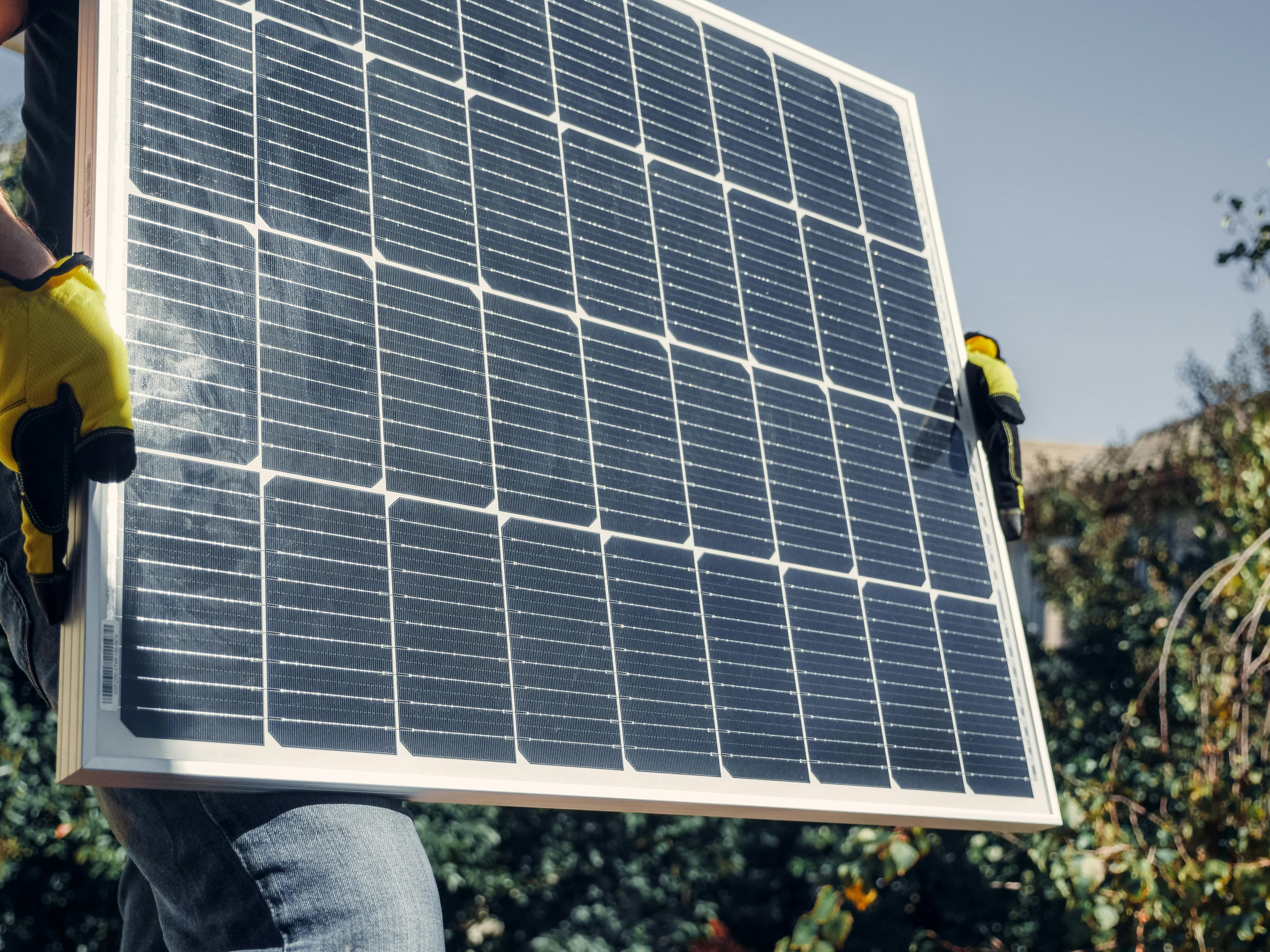
Electrical contractors report that 65% of new residential projects now include solar panel installation as homeowners seek energy independence.
The integration of solar energy systems into new construction has become mainstream in Kenya, with electrical contractors reporting that nearly two-thirds of residential projects now include solar installations from the start.
This represents a fundamental shift from solar being an afterthought or retrofit to being part of the initial building design and electrical planning.
**Driving Factors:**
**Rising Energy Costs:** With electricity prices increasing by 35% over three years, solar systems with 5-7 year payback periods are increasingly attractive.
**Improved Technology:** Modern solar panels are more efficient, require less roof space, and integrate seamlessly with grid power through smart inverter systems.
**Financing Options:** Affordable financing and "solarize as you build" payment plans make solar accessible to middle-income homeowners.
**Diaspora Demand:** Diaspora investors building homes or rental properties specifically request solar capabilities, seeing them as value-adds for tenants and reducing operating costs.
PowerLine Electrical Systems, a leading electrical contractor in Nairobi, reports that 78% of their projects now include solar components. "It's no longer a luxury feature," explains CEO David Kamau. "Clients see it as essential infrastructure, like plumbing or internet cabling."
Modern systems typically include: - 5-10 kW solar arrays (enough for a typical home) - Battery storage systems (6-10 kWh capacity) - Grid-tie inverters allowing seamless backup - Smart monitoring via mobile apps - Expandable designs for future capacity increases
The trend has created thousands of jobs in solar installation, maintenance, and system design. It's also attracting international solar technology companies to establish operations in Kenya.
Energy consultants predict that by 2028, over 80% of new construction will include solar, making Kenya a regional leader in residential renewable energy adoption.
For diaspora investors, solar-equipped properties command rental premiums of 15-20% and sell faster, making the investment economically compelling beyond the energy savings.
2025 Investment Distribution
Year-over-Year Comparison
"Diaspora investors are bringing not just capital, but Silicon Valley expertise and global networks."
— Dr. Chinwe Okafor, African Investment Research Institute
Featured Tech Investment
Nairobi Tech Hub - Currently seeking $2 million in diaspora funding
View Investment DetailsKey Takeaways
- •Diaspora remittances continue to grow as a vital economic force in Africa
- •Digital platforms are reducing transaction costs and increasing transparency
- •Investment-focused approaches show higher success rates than traditional methods
Tagged In
Share this article
Related News
No related articles yet
Check back later for more content